
Timing at a glance
When this applies
After harvest, while crop residue is still on the field.
When to make the decision
Apply soon after harvest, sprayed directly onto residue with as much coverage as practical — preferably during other field operations such as chopping, crimping or disking.
What it’s designed to support
Residue that breaks down for faster, more consistent planting, nutrients recovered for the next crop, and an active soil microbe community going into next season.
Why decompose crop residue
- Decompose crop residueFaster and more consistent planting without clogging crop debris.
- Recover nutrients for the next cropFree fertilizer: release N, P, K, S, Ca and more into non-leachable, plant-available forms, and fix nitrogen for the next crop.
- Improve soil structureBetter seed-to-soil contact and a higher germination rate, plus improved soil tilth for better aeration, water infiltration and seedling emergence.
- Establish beneficial soil biology, including fungiDevelop a large beneficial microbe population and provide protection for the next crop.
Post-harvest programs have been proven to be profitable and long-term sustainable practices. Decomposed crop residues recover nutrients for the next crop while improving soil structure and organic matter content. The crop residue feeds an active microbe community that enables higher yields with lower crop inputs next season.
The MetaGrow approach
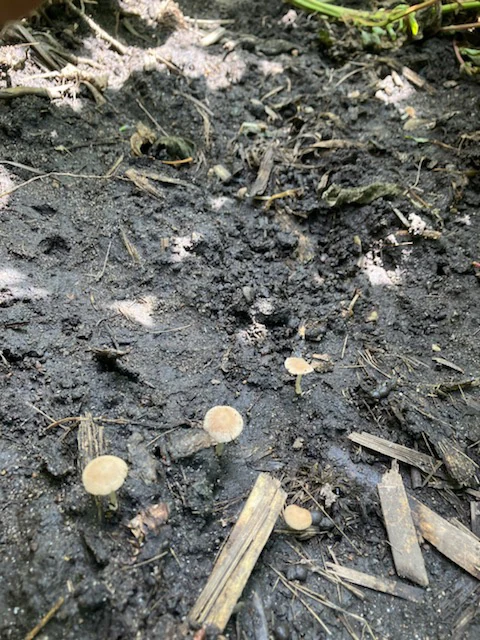
The MetaGrow program is based on the principle that maximum microbial diversity provides the foundation for healthy and resilient crops. Broad-spectrum microbe inoculants and foods re-establish healthy soil microbial diversity and large active populations.
Healthy soil microbe communities provide a myriad of beneficial functions, including balanced and timely plant nutrition, improved photosynthetic efficiency, increased plant immune function and improved physiological efficiencies. When plants achieve proper biologically supported nutrition, most production problems naturally go away.
Plant NutritionPlant Directed and Microbe Delivered
Decomposition program components
- MetaGrow DecomposerMetaGrow Decomposer is the most diverse crop decomposer microbial inoculant available, and it is the best tool to convert your crop residues into free nutrients for your next crop. This shelf-stable liquid inoculant has thousands of microbe species that decompose cellulose and lignins into plant nutrients and soil humus. Humus captures and sequesters carbon in the soil, which increases soil nutrient and water-holding capacity, improves seed-to-soil contact and reduces pest and pathogen overwintering habitat. In addition to decomposition, it includes a dozen N-fixing microbe species.
- MetaGrow MFOOD2.3-0.9-3.5 with 3.5% calcium, 1.2% sulfur and 6% humic acid. MFOOD is three products in one. First, it wakes up the MetaGrow microbes and provides them habitat to colonize the soil efficiently. Second, it boosts native soil microbial population size and diversity by feeding them a diverse, complex food that releases metabolites to benefit plant functions. Third, it is a complete organic plant fertilizer.
- Pacific Gro Oceanic or other fish hydrolysateFish hydrolysate fertilizer with nitrogen in L-amino acid form. The amino acids are immediately available to microbes, correcting the high C:N ratio of residues and increasing the rate of carbon digestion. Beneficial fungi, which are important contributors to decomposition, particularly benefit from the fish oils in the hydrolysate.
Application guidance and rates
| Component | Rate per acre |
|---|---|
| MetaGrow Decomposer | 2–3 gal |
| MetaGrow MFOOD | 0.2–0.6 lb |
| Fish hydrolysate | 1–3 gal |
| Sugar (optional) | 0.25–1 lb |
| Molasses (optional) | 0.25–1 gal |
| Water | Sufficient for coverage |
- Mix the components and add sufficient water to cover the residue.
- Use the high end of the MetaGrow and Pacific Gro rates for high-volume crop residue or woody stalk debris.
- Use the high rate of sugar and molasses in colder temperatures.
- To increase fungal diversity, also use MetaGrow F at 1–2 gal/acre, replacing some of the MetaGrow Decomposer.
Key takeaways
- Apply soon after harvest, sprayed directly onto residue, ideally during chopping, crimping or disking.
- Combine MetaGrow Decomposer (2–3 gal/acre) with MetaGrow MFOOD (0.2–0.6 lb/acre) and fish hydrolysate (1–3 gal/acre).
- Use the high end of rates for heavy or woody residue, and the high rate of sugar and molasses in cold weather.
- Add MetaGrow F at 1–2 gal/acre, replacing some Decomposer, to increase fungal diversity.

SGS Decomposer Sheet and App Guide
This page is adapted from the SGS PDF “SGS Decomposer Sheet and App Guide” (© 2025), which remains the technical reference. The 2-page original is available to download, print and share.
Download the Original PDF (PDF, opens in a new tab)