
Working with nature to cut nitrogen
People who have been adopting regenerative processes for a few years have already cut nitrogen inputs by 20% or more. This is possible with a deliberate focus on improving soil life, organic matter and nutritional balance.
These farms have the foundation to manage a further reduction, and many will apply little or no nitrogen this year. Those who have taken initial steps to improve soil health can get more bold. And people who have seen successes in other fields should be inclined to start the process.
Less nitrogen can mean less pest and disease pressure
Farming with less nitrogen and balanced P, K and other nutrients also can reduce pest and disease pressure. We now know that most of these challenges are due to inappropriate inputs that create the conditions for insects and fungi to attack the crop.
Progressive agronomists and farmers recognize that imbalanced fertilization (for example, excess nitrogen) is often the root cause of most crop problems. Regenerative farming practices address these root causes.
The natural system manages to stay in balance. Healthy soil biology provided with nutrients — in the right form, ratios, timing and amounts — provides sufficient plant nutrition for healthy, profitable crops.
The critical role of soil microbes
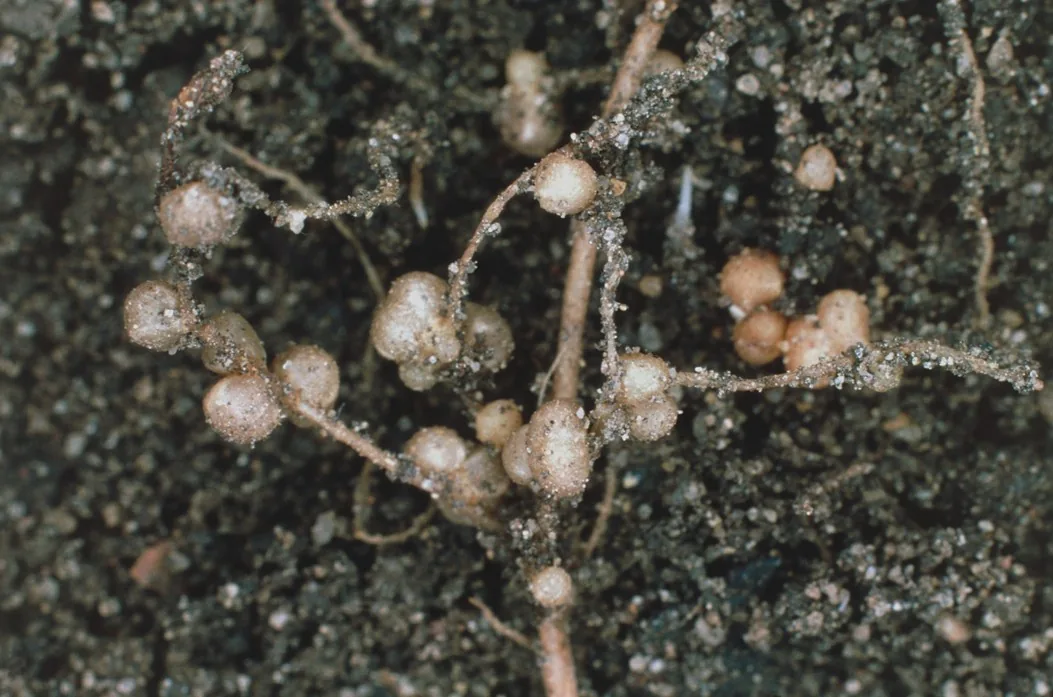
SGS MetaGrow microbial inoculants provide exceptional population counts of exceptional microbial diversity. Our approach is to flood the zone with multiple species serving each functional niche, believing that nature can sort out which species and combinations can be effective in any scenario.
Microbes procure nitrogen and other nutrients for the plants, whose roots are feeding and signaling the microbes to serve their needs. This cycle starts with the plant’s photosynthesis of carbohydrates, 30% to 60% of which are translocated as root exudates to attract and feed microbes. The microbe workforce grows and adapts to conditions, and supplies what the plants need in each growth stage.
Plant NutritionPlant Directed and Microbe Delivered
How microbes fix nitrogen
Plants and microbes have an intricate relationship. To obtain nitrogen (and other nutrients), plants exchange carbon through root exudates to microbes, which in turn provide nitrogen fixed from the air.
There are four types of microbial nitrogen fixation
- N-fixing fungiFungi colonized inside the roots (endophytes).
- RhizobiaBacterial species in legume root nodules.
- Free-living N-fixing bacteriaCertain species of the genus Azotobacter, Azospirillum, Herbaspirillum, Burkholderia, Bacillus, Frankia and Paenibacillus.
- Phyllosphere N-fixing microbesMicrobes that live in plant leaf tissues.
Diversity in MetaGrow inoculants
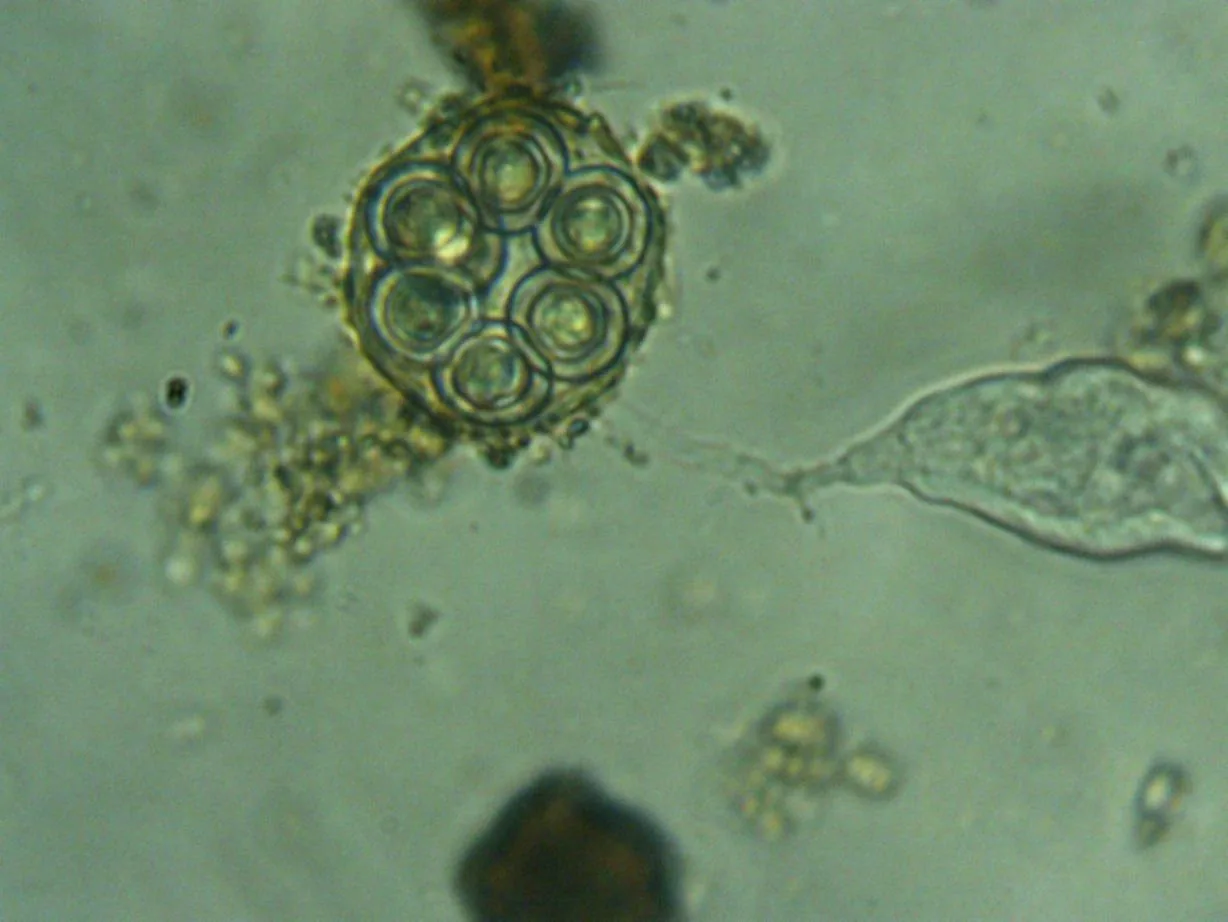
MetaGrow inoculants are produced to achieve maximum diversity of species, along with abundant metabolites produced by the microbes performing their roles in an active and live culture.
Other inoculants are generally mixtures of lab-grown, inactive microbes which are intended to become active once in the soil. These products have much less diversity. For example, a metagenomic analysis of one leading product (Guardian, also sold as Dominate) revealed just 244 species, including 38 fungi, and a biodiversity score of 0.6. Of the 18 species claimed on the label, only 2 were actually present.
Nitrogen-fixing diversity by product
Nitrogen fixation is one of many critical functions, and MetaGrow inoculants contain remarkable microbial diversity and populations to perform it. This table shows the microbe counts from metagenomic analysis.
| Product | Free-living N-fixation species | Rhizobia N-fixation species | Total N-fixation microbe population |
|---|---|---|---|
| MetaGrow™ 5X+ | 6 | 15 | 1 × 10⁸ |
| MetaGrow™ C | 7 | 21 | 3 × 10⁸ |
| MetaGrow™ G | 4 | 13 | 4 × 10⁸ |
| MetaGrow™ F | 5 | 16 | 4 × 10⁹ |
| MetaGrow™ Decomposer | 6 | 16 | 2 × 10⁹ |
The diversity of species provides many pathways to provide nitrogen for the crop. We expect that some species will thrive in a given soil condition, and others will thrive in a different situation.
Species that provide other nutrients
MetaGrow’s broad-spectrum inoculants also provide many species that supply other nutrients to plants:
- Phosphorus solubilization
- Potassium solubilization
- Cation chelation — siderophores chelate K, Ca, Mg, Mn, Cu, Fe and Zn
Guidance for successful microbial application
Inoculants are most successful when applied as components of an integrated biological program. Include carbon sources (humic acid, fulvic acid, fish, molasses) and other microbe foods, like MetaGrow™ MFOOD.
Why N-fixing microbes sometimes fail to provide for the crop
- Tight or compacted soil, where gas exchange is lacking (air is 78% nitrogen)
- Low soil organic matter (low C:N ratio)
- Missing or limited nutrient and enzyme cofactors, such as iron and molybdenum
- Species capable of fixing nitrogen are not epigenetically activated, and the low C:N ratio environment does not trigger it
- Excess nitrogen fertilizer shuts down the N-fixing microbes
Key takeaways
- Farms with a few years of regenerative practice have already cut nitrogen inputs by 20% or more, and many can manage a further reduction.
- Imbalanced fertilization, such as excess nitrogen, is often the root cause of pest and disease problems.
- Plants trade carbon from photosynthesis for nitrogen and other nutrients delivered by microbes — plant directed, microbe delivered.
- Microbial nitrogen fixation happens through endophytic fungi, rhizobia, free-living bacteria and phyllosphere microbes.
- N-fixing microbes work best in an integrated biological program with carbon sources and microbe food, and can be shut down by compaction, low organic matter, missing cofactors or excess nitrogen fertilizer.

Natural Nitrogen
This page is adapted from the SGS PDF “Natural Nitrogen” (© 2026), which remains the technical reference. The 2-page original is available to download, print and share.
Download the Original PDF (PDF, opens in a new tab)